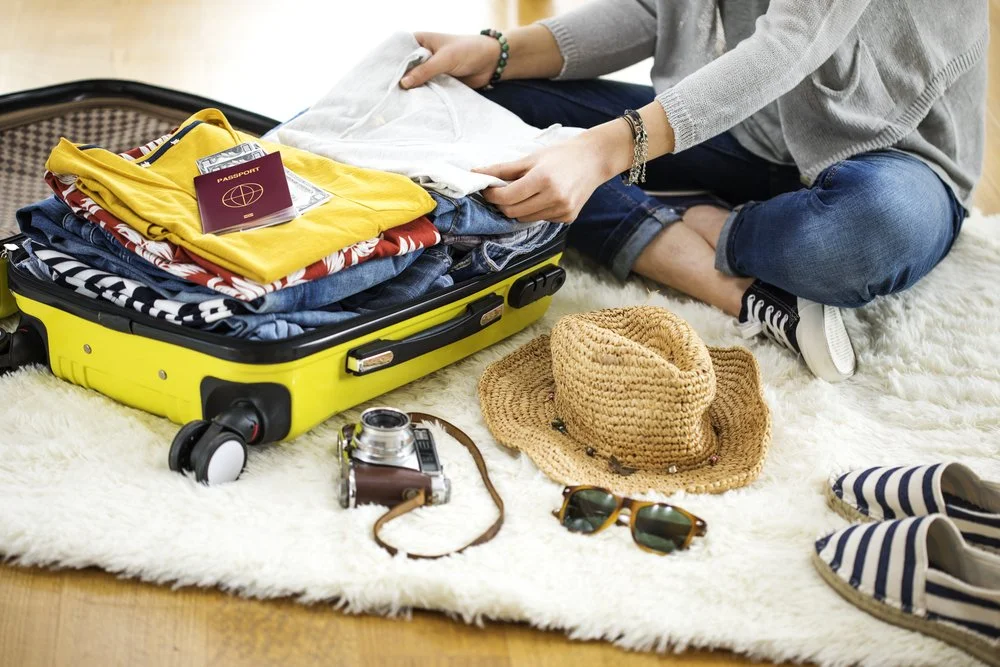
If you're heading to the Galápagos Islands soon, you might be wondering what to pack. Whether you’re snorkeling with sea lions, hiking volcanic trails, or grabbing drinks in town, packing smart is key to making your trip smooth, comfortable, and eco-friendly.
Here’s everything you need to know about what to pack for your Galápagos adventure. And be sure to download our handy Galápagos Islands packing list PDF!
Why Packing Smart Matters in the Galápagos
The Galápagos have strict regulations to protect their fragile environment, and the islands’ remote nature means you’ll want to travel light and bring only what’s essential. Airlines often have luggage weight limits (usually around 23 kg / 50 lbs), and inter-island flights or boat rides are more convenient with less luggage.
Packing light not only makes your journey easier but also helps minimize your environmental footprint on this delicate ecosystem.
Essential Clothing and Gear
1. Lightweight, Quick-Dry Clothing
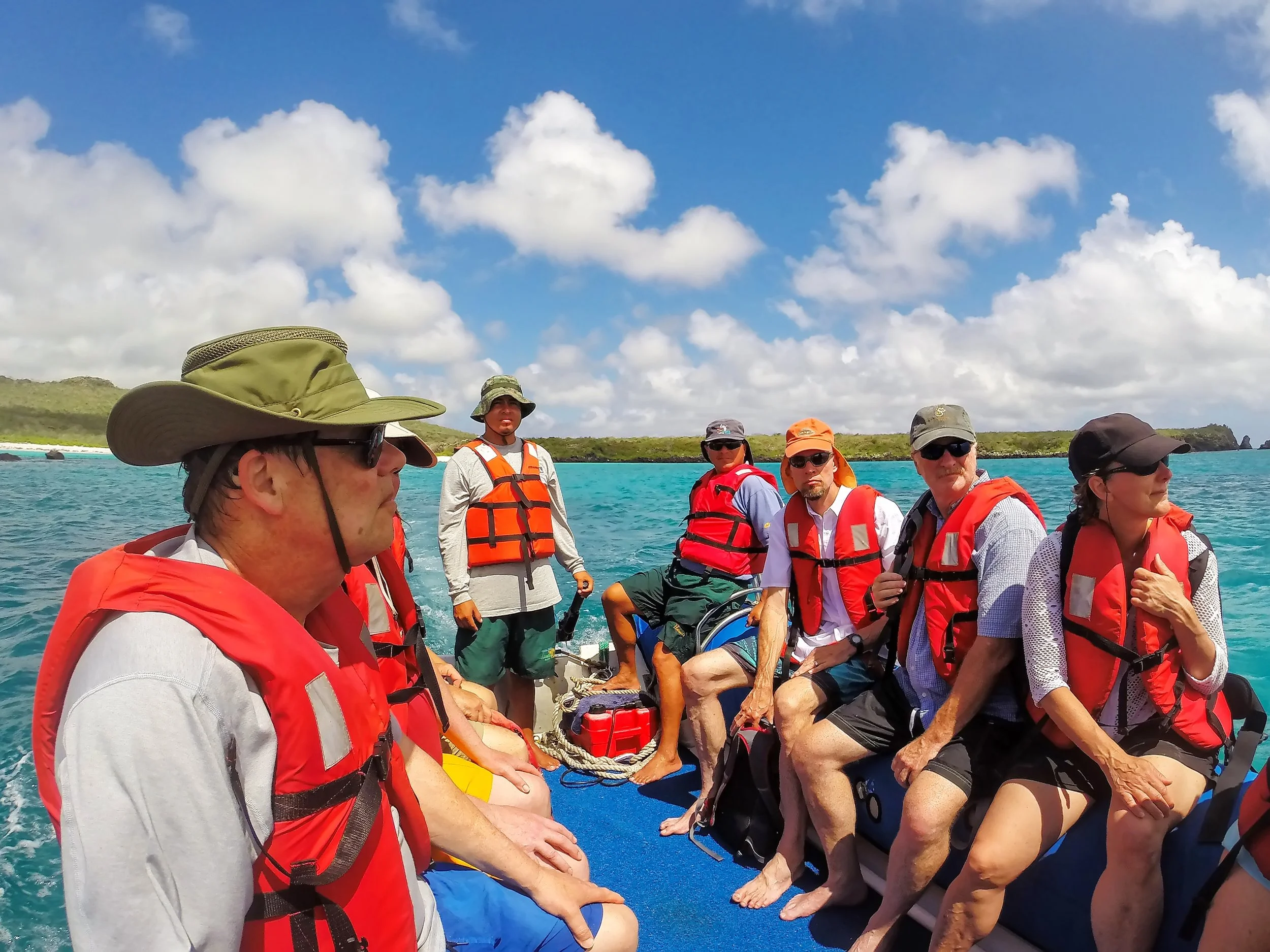
Think breathable fabrics like cotton or moisture-wicking synthetics. Pack shorts, T-shirts, and long-sleeved shirts for sun protection. A raincoat is a must, as the islands experience heavy rainfall during the hot season and frequent, light rainfall during the cooler months. Also bring a sweatshirt or light jacket for chilly evenings or after getting out of the ocean.
2. Swimwear and Rash Guards
You’ll spend plenty of time in the water, so bring at least two swimsuits and a rash guard to protect against the sun and occasional rock or coral scrapes.
3. Comfortable Hiking Shoes and Water Sandals
Sturdy hiking shoes or trail runners are essential for exploring volcanic trails. Water sandals or reef shoes are great for wet landings and beach days.
4. Casual Clothes for Going Out
Don’t forget: town life is part of the Galápagos experience too! While much of your time in the Galápagos may be spent in nature, several islands—like Santa Cruz and San Cristóbal—have vibrant towns with restaurants, cafés, shops, and nightlife. If you don’t want to be the obvious tourist wearing hiking boots at a bar, pack a casual outfit or two for going out in the evenings.
5. Sun Protection
The equatorial sun is intense, even on cloudy days. Bring a wide-brimmed hat (preferably one that won’t fly off in windy conditions or while on a fast-moving boat), polarized sunglasses, and reef-safe sunscreen. Avoid sunscreens containing oxybenzone or octinoxate, as these chemicals are harmful to marine life.
6. Insect Repellent
Some islands, especially those with mangroves or freshwater areas, have mosquitoes, horseflies, and other biting insects. Bring a strong insect repellent—ideally one that’s effective but also eco-friendly.
7. Snorkeling Gear
Snorkeling equipment is typically provided on cruises and day tours, but you might want to explore on your own in easily accessible areas around the islands. Snorkel mask rentals start at around $5 per day, but bringing your own gear is more convenient—and ensures a good fit. Fins are optional, but recommended for better movement and safety in the water.
8. Lightweight Travel Towel
A compact, quick-dry travel towel is handy for beach stops and any snorkeling you do on your own. Some hotels provide towels for excursions, but others specifically ask guests not to use their bath towels at the beach—so it’s best to bring your own just in case.
9. Daypack
Bring a small, comfortable backpack for daily excursions. Water-resistant materials are especially helpful during the rainy season.
10. Reusable Water Bottle
Staying hydrated is key, and bringing a reusable bottle helps reduce plastic waste. Most hotels and boats have refill stations with filtered water. Note: while tap water is not safe to drink, water served at restaurants, on boats, and in hotels is filtered and safe to drink.
11. Toiletries
While most Galápagos cruises and many hotels provide toiletries, you'll likely want to bring some of your own. The sun and salt can be drying for your skin and hair, so you may want to bring some moisturizing products!
12. Medications
Don’t forget to pack all your necessary prescription medications, along with some first aid essentials like band-aids, pain relievers, antiseptic cream, and anything else you might need on the go.
The ocean can be unpredictable, and seasickness is common for many travelers. If you’re prone to motion sickness or new to boat travel, bring along your preferred remedy—whether that’s ginger tablets, acupressure wristbands, or over-the-counter medication—to ensure a more comfortable trip.
Travel Documents and Money Essentials
13. Passport and Reservations
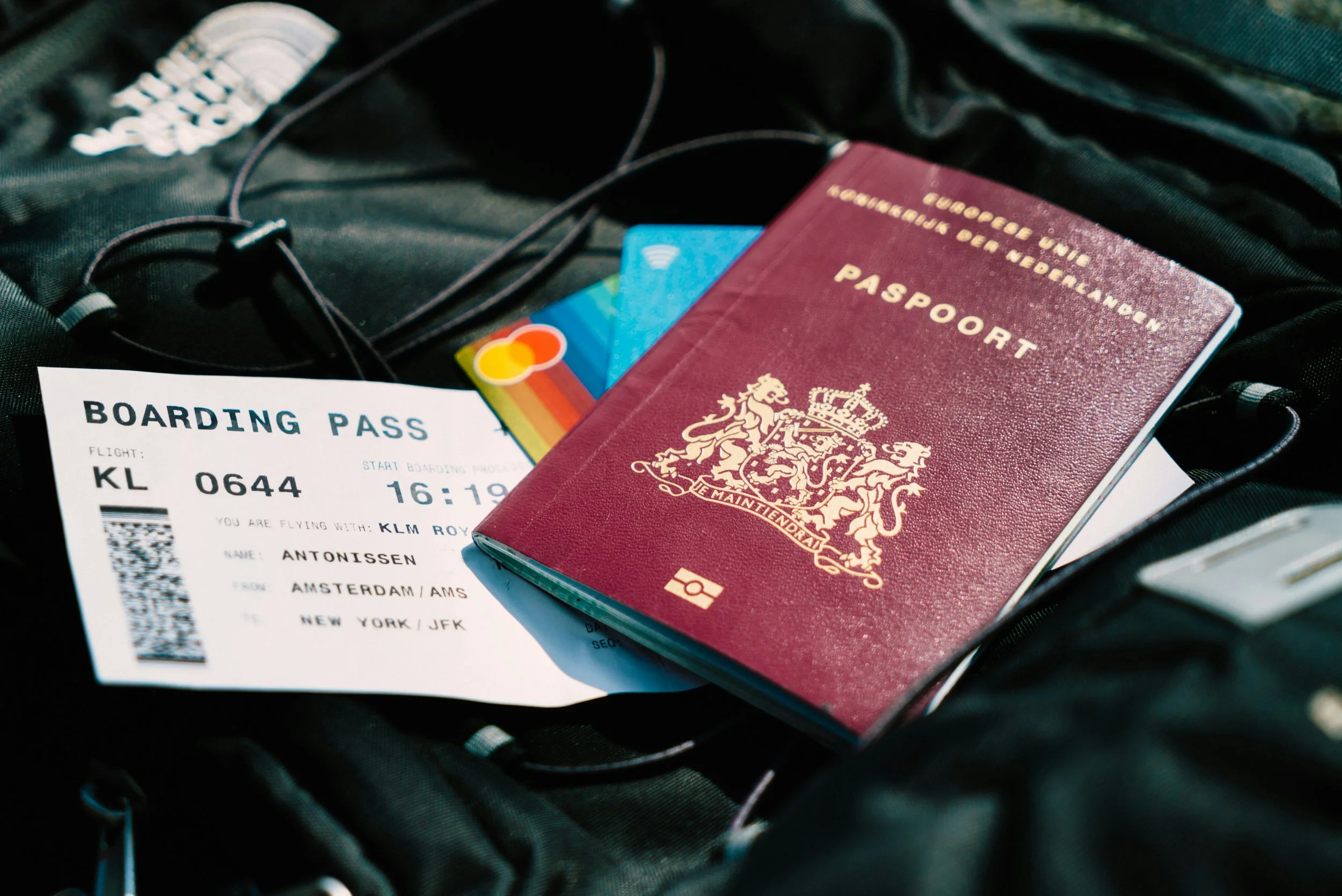
Always bring your original passport, and it’s a smart idea to carry a photocopy as well. Memorizing your passport number can be helpful since you may need to provide it during your trip for check-ins or official forms.
Also, keep your return or onward flight tickets handy (printed or e-ticket on your phone), along with copies of your reservations for cruises, tours, hotels, etc.
14. Transit Control Card and Galápagos Customs Declaration
When you arrive at the Quito or Guayaquil airport and check in for your flight to the Galápagos, you'll need to show your Transit Control Card (TCT). You can get this online or at the airport for $20.
All tourists must also complete the online customs declaration form before arrival and present the generated QR code at the airport upon arrival in the Galápagos. This form asks about items like food, camping gear, and recent visits to farms or zoos.
15. Insurance & Emergency Info
Bring your travel and medical insurance documents, along with emergency contact numbers. While not mandatory, having insurance provides peace of mind during your trip.
16. Cash and Banking Cards
You’ll need US dollars in cash to pay the $200 Galápagos National Park fee upon arrival. It’s also wise to carry extra cash for meals, souvenirs, tips, and tours, as many local businesses may not accept cards.
ATMs are available on Santa Cruz, Isabela, and San Cristóbal islands, as well as at Baltra airport. However, be aware of withdrawal fees (typically $2 to $5 per transaction) and daily limits (usually $200–$300 per withdrawal, with a maximum of around $600 per day). To avoid surprises, notify your bank before traveling, and consider carrying small denominations of cash for easier transactions.
Optional Gear and Accessories
Here are some items you might want to bring, depending on your preferences and travel plans.
Reusable Coffee Mug: If you can’t go without your morning coffee and plan to grab it on the go, bring a reusable, transportable mug. Many cafés on the islands offer takeaway, but bringing your own helps you avoid disposable cups and reduce waste.
Dry Bag or Waterproof Phone Case: Protect your electronics and valuables during boat trips.
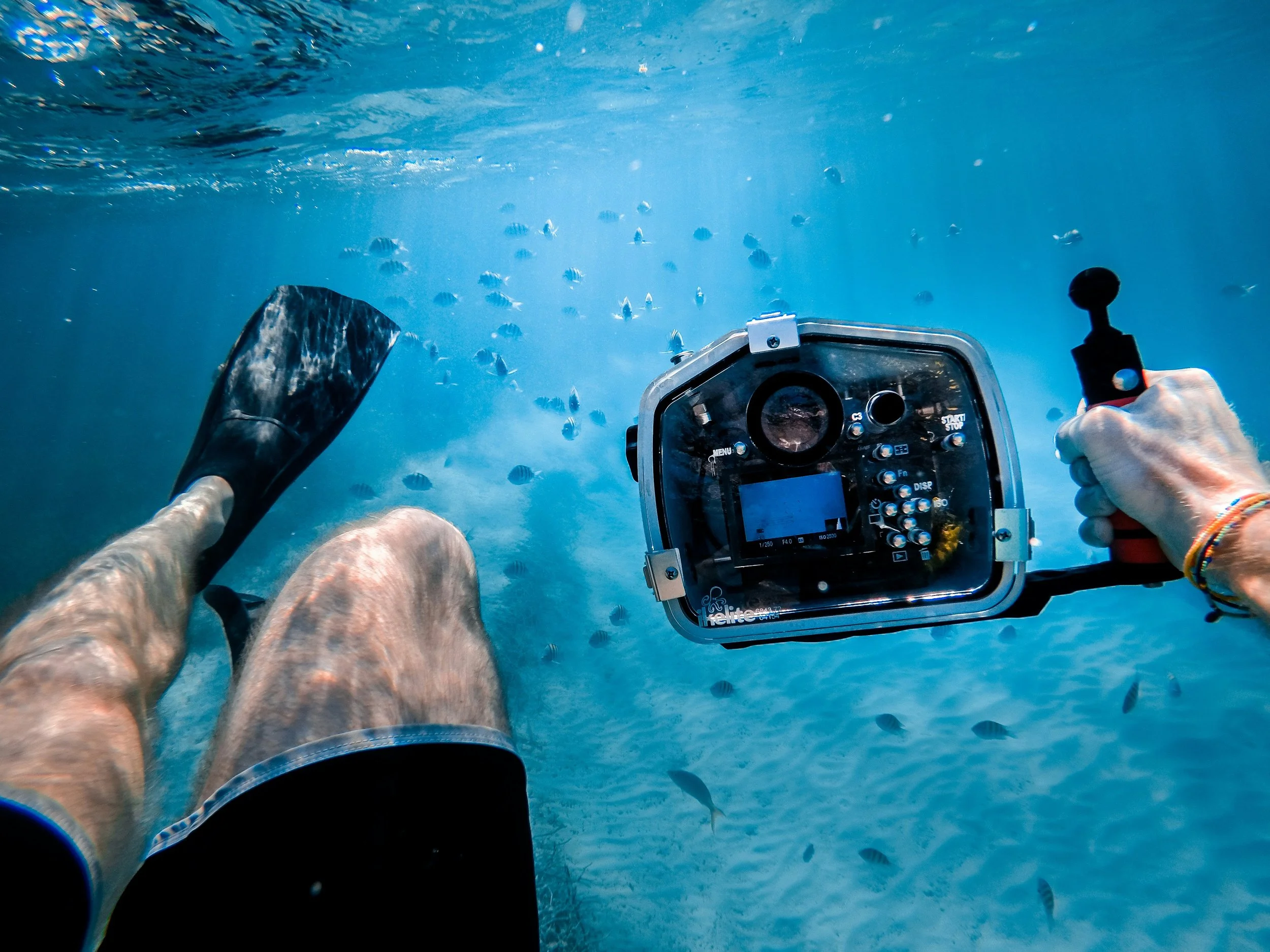
Underwater Camera or GoPro: If you’re planning to snorkel or dive, an underwater camera or GoPro is a great way to capture your underwater adventures and unforgettable wildlife encounters.
Binoculars: If you’re into birdwatching or want to spot distant wildlife, binoculars can be a great addition to your gear. That said, you’ll often get close enough to many animals in the Galápagos that they aren’t essential—and some guides carry a pair you can borrow.
Trekking poles: They're not strictly necessary, but if you're accustomed to using them, trekking poles can provide extra stability on uneven or rocky terrain.
Headlamp: A headlamp can be useful if you plan to enter lava tunnels without lighting. If you don’t have one, a small handheld flashlight will also work. Note that the lava tunnels at the tortoise ranches are illuminated.
Travel Adaptor: If you’re coming from Europe or other regions that don’t use two-prong 110V plugs, bring a travel adaptor for your electronics. If you’re coming from the US, you likely won’t need one.
Your Favorite Snacks: You're allowed to bring packaged foods into Galápagos, so feel free to bring some of your favorite snacks that you might not be able to find on the islands, especially if you have dietary restrictions.
Note: You can find sunscreen, toiletries, basic first aid supplies, and other essentials on the main islands—but options may be limited and prices of some products are high since they are imported.
Eco-Friendly Packing Tips
By following these simple tips, you can reduce your environmental impact while enjoying your trip:
Avoid single-use plastics: bring reusable bags, containers, and utensils.
Choose biodegradable toiletries and reef-safe sunscreen.
Remove excess packaging before you arrive to reduce waste on the islands.
And if you want to have a positive impact on the local economy, try to leave a little extra room in your suitcase for handmade souvenirs from local artisans. Buying locally helps support the communities that care for and depend on the Galápagos’ unique ecosystem—and gives you a meaningful way to remember your trip.
Just remember: leave all natural materials behind—that means no coral, shells, rocks, bones, wood, or any living organisms. Taking them is not only harmful, but also illegal.
What Not to Pack for Galápagos
There are a few things you should leave behind when you come to Galápagos:
No fresh food, seeds, or plants – They’re not allowed due to the risk of introducing invasive species. See the full list of prohibited products here.
Drones – Not permitted without a special permit from the park authority.
Heavy jewelry or valuables – Easy to lose during outdoor activities and not necessary for this kind of trip.
Final Thoughts
Packing for the Galápagos is all about balance—being prepared for adventure, comfort, and the unexpected, while also being mindful of your impact on this incredible ecosystem. With the right gear and a little foresight, you’ll be free to focus on what really matters: experiencing the magic of the islands.
If you’re ready to pack your bags and head to the Galápagos, we’re here to help. As local experts, we’ll handle the details so you can focus on the journey. Contact us today to start planning your next big adventure.