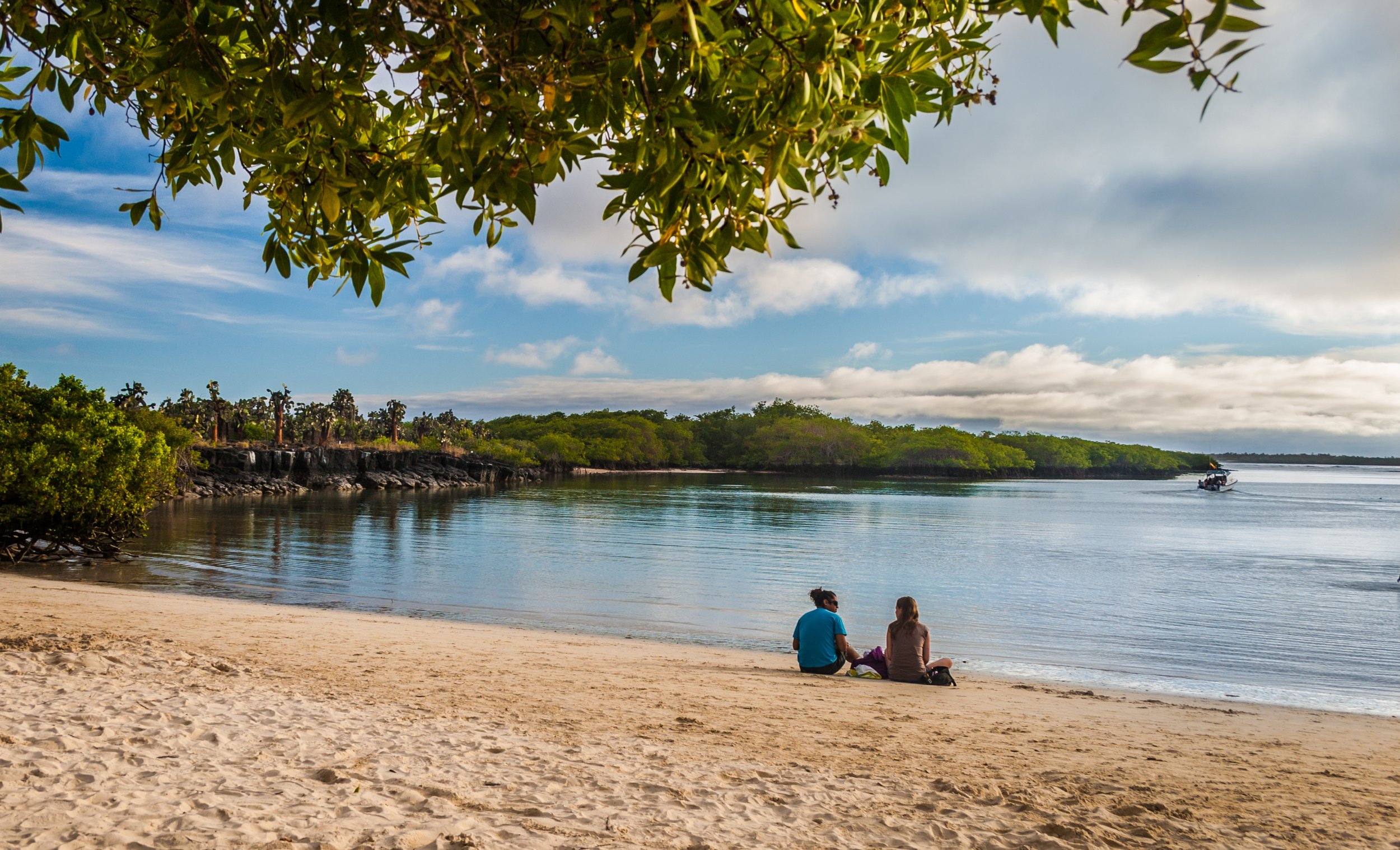
Wondering when to plan your dream trip to the Galápagos Islands? You’re not alone — this is one of the most common questions travelers ask, and the truth is, there’s no bad time to visit.
The Galápagos Islands are a year-round destination, with incredible wildlife experiences and unique conditions in every season. That said, the best time to go really depends on what you want to see and do — and how you feel about crowds, weather, and ocean conditions.
Visibility, Wildlife, and Weather Conditions
Many travelers are curious about the best visibility for snorkeling or diving, but the truth is: visibility can vary from day to day, regardless of the month. Most of the Galápagos' iconic wildlife — like sea lions, marine iguanas, and blue-footed boobies — can be seen all year, although there are some seasonal highlights like mating rituals, nesting periods, and migrations.
Galápagos Islands also have distinct microclimates. This means the weather can vary dramatically from one area to another — even on the same island. For example, on islands like Santa Cruz and Isabela, the highlands may be cloudy, misty, or rainy while the beaches are warm and sunny.
To help you decide when to visit, here’s a breakdown of the two main seasons in the Galápagos — each offering a different mix of weather, wildlife activity, and visitor experience.
Warm Season: December to May
This is the hot and wet season, and typically the “wet” part means short afternoon showers or passing downpours. However, in recent years (especially during El Niño events), the region has experienced unusually heavy and prolonged rainfall in February and March.
Expect:
Daytime highs: ~80–86°F (27–30°C)
Humid conditions, with chances of heavy rain
Warmer ocean temperatures (~75–80°F / 24–27°C)
Calmer seas — great for snorkeling and inter-island ferry rides
Lush, green highlands and vibrant landscapes
Wildlife highlights: land bird courtship, sea turtle nesting, marine iguanas in vivid breeding colors
If you're visiting during the warm season, bring a light rain jacket and plenty of sun protection. The equatorial sun is strongest in February and March, and UV exposure can be intense even on cloudy days.
If you're not used to heat and humidity, and you're planning more strenuous outdoor activities — like the 16-kilometer Sierra Negra Volcano hike on Isabela — you may want to avoid the hottest months and instead choose to come between May and December when it's a bit cooler.
On the other hand, if you don’t mind the humidity or the chance of rain and want to enjoy warmer waters for activities like snorkeling or diving, the hot season could be the best time for you to visit. Marine life is abundant, the water is inviting, and the islands are at their greenest.
Late April to early June is actually one of our favorite times here in the Galápagos — the intense heat of the wet season has usually passed, but the islands are still lush and green, and the ocean remains warm enough for comfortable snorkeling and swimming. It’s a sweet spot for both wildlife viewing and comfort, with a great balance of conditions.
Cool Season: June to November
This is the cooler, drier season, influenced by the Humboldt Current, which brings cooler waters and nutrient-rich conditions that fuel marine life activity.
Expect:
Daytime highs: ~70–79°F (21–26°C)
Cooler ocean temps (~65°F / 18°C) — wetsuits recommended
Slightly rougher seas (bring seasickness meds if needed
Cloudier skies, especially in the highlands
Wildlife highlights: penguins, sea lions, whales, and blue-footed booby courtship
The cooler season is a top choice for diving, snorkeling with marine megafauna, and wildlife photography, especially for those hoping to see blue-footed booby courtship dances or penguins zooming through the water.
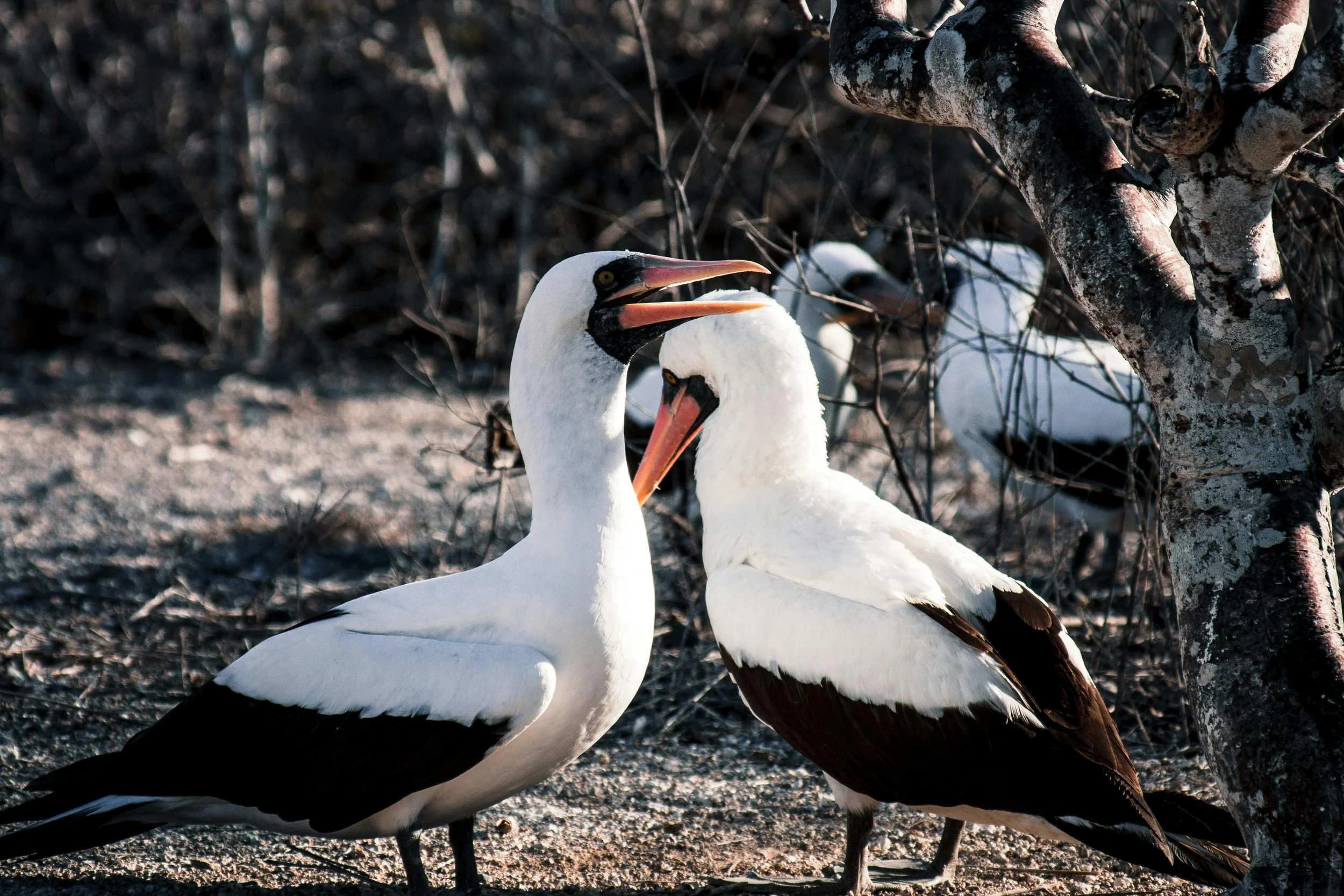
Although the water is cooler, this season offers some of the best opportunities to see penguins, marine mammals, and seabird courtship displays. Blue-footed boobies typically begin their courtship in April and peak between May and July.
Many visitors find the cooler air temperatures and occasional cloud cover more comfortable than the intense sun of the hot season. While heavy rain is rare, light mist (called garúa) and overcast skies are common. Sun protection is still essential year-round.
And while it's not guaranteed, this season offers one of the best chances to spot whales, especially humpbacks and even orcas in open waters.
Month-by-Month Highlights
The Galápagos Islands’ unique ecosystem means that each month offers something special to see and experience. Knowing what to expect throughout the year can help you plan the perfect visit. Here’s a month-by-month guide to the most notable wildlife events and seasonal highlights across the islands.
January: Warm and getting wetter. Sunshine with tropical afternoon showers; seas calm; water warming. Green sea turtles arrive to nest on many beaches; giant tortoises hatch from December eggs. Male marine and land iguanas in mating colors (Española, Isabela). First rains trigger land birds to build nests.
February: Similar to January but hotter. Mostly sunny, a bit wetter (peak monthly rainfall); warmest ocean temperatures. Greater flamingos begin nesting on Floreana; marine iguanas nest on Santa Cruz; Nazca boobies finish nesting on Española. Sea turtles continue to nest.
March: Warm, rainiest month (averaging ~2–3″). Very hot (daytime highs ~27–31 °C and humid; frequent showers but still abundant sunshine. Wave‑albatrosses arrive in late month to Española; Galápagos penguins can be found on Isabela; frigatebirds court (inflated red pouches) on Genovesa/San Cristóbal. Marine iguanas nest on Fernandina/Seymour.
April: Transition out of rains. Islands remain very green; days remain hot (around 22–30 °C).Tens of thousands of waved albatrosses are engaged in courtship on Española. Green sea turtle eggs begin to hatch on several islands Land iguana chicks hatch on Isabela.
May: Warm (≈22–28 °C) with diminishing rain (<1″) and usually calm seas. This “shoulder” month often has fewer crowds. Blue‑footed boobies perform elaborate mating dances (especially on Seymour). Waved albatrosses on Española start laying eggs. Sea turtle hatchlings scurry to sea on many beaches. Most marine iguana eggs hatch on Santa Cruz. One of the best months to visit the islands (in my opinion)!
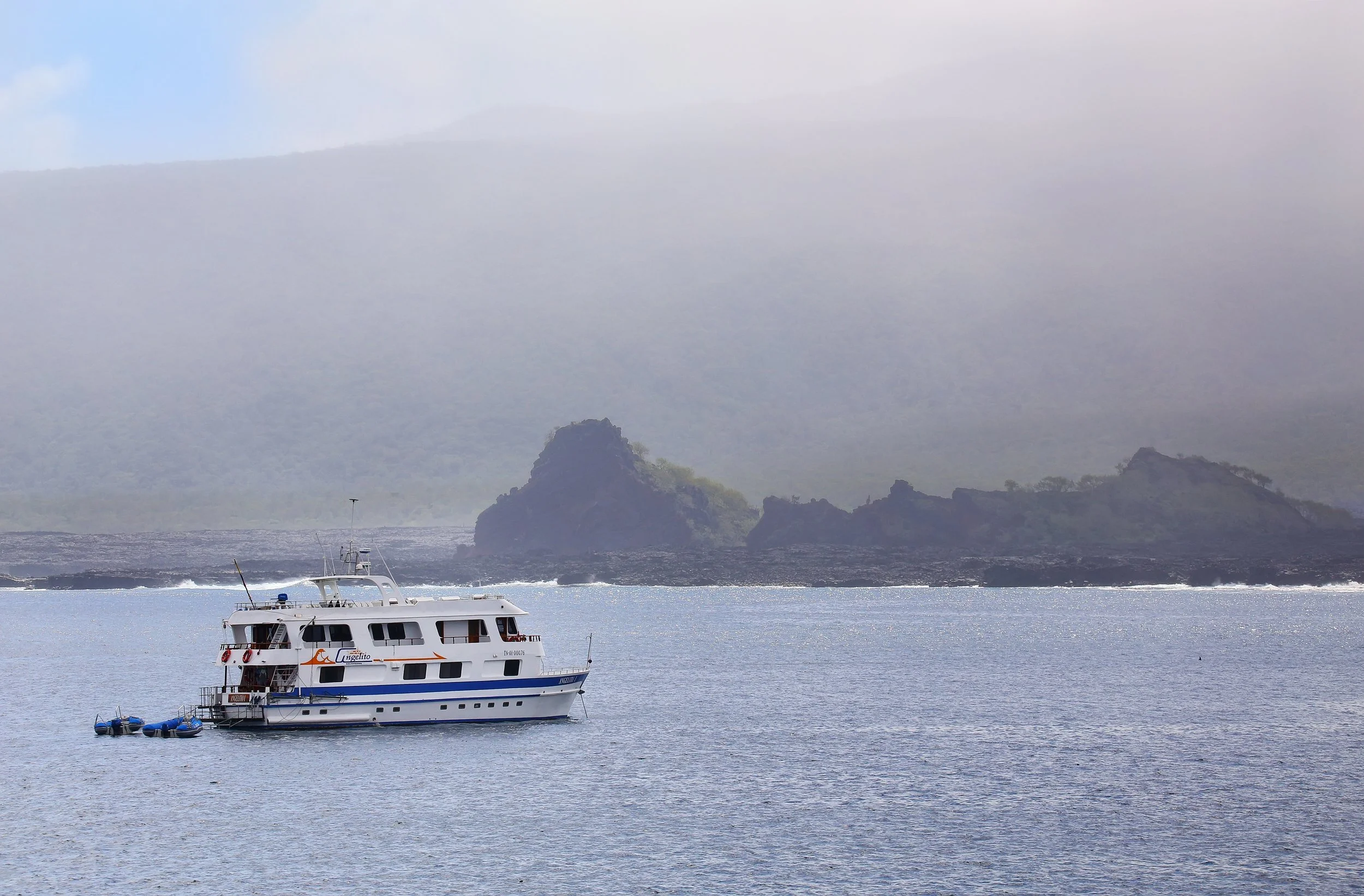
June: Start of dry and cool season (highs ≈20–26 °C). Frequent garúa fog in mornings in highlands; tradewinds pick up (choppier seas). Galápagos giant tortoises migrate from highlands to lowlands on Santa Cruz seeking nesting sites. Groups of migrating humpback whales begin arriving by equator. Some whale sharks appear at the far northwestern islands.
July: Cooler days (≈19–24 °C) and nights, start of peak tourist season. Garúa fog common in highlands; seas often rougher. Whale sharks may be spotted around Darwin and Wolf. Humpback whale and dolphin sightings increase off Isabela. Flightless cormorants court and nest on Fernandina. Blue‑footed boobies are very active (eggs and chicks appear across the islands). The first frigatebird chicks hatch.
August: Coolest month (≈18–22 °C) with very cool seas (~20 °C). Little to no rain; persistent fog in highlands; calm seas begin to improve in clarity. Galápagos hawks mate (Española, Santiago); Nazca boobies nest on Genovesa; giant tortoises return to highlands after nesting; most sea lion pups are born on western/central beaches; penguins actively feed.
September: Peak of dry season. Cool (≈19–24 °C); overcast mornings common; sea conditions variable. Tourism is low mid-week; it’s often cited as the quietest month. Galápagos penguins court on Bartolomé (through December). Sea lions remain very playful. Humpbacks sometimes linger, and whale sharks continue at Darwin/Wolf. Blue‑footed booby chicks are visible.
October: Slight warming (highs ~22–24 °C); garúa continues and many mornings are misty; ocean temps ~21 °C. Galápagos fur seals begin their mating season. Lava herons nest. Booby chicks are growing (raising chicks on Española/Isabela). Whale sharks may still be seen at Darwin/Wolf.
November: Transition back to warm season; days warming to ≈23–27 °C; seas calm again with excellent snorkeling conditions; occasional showers start in late Nov. Green sea turtles engage in peak mating activity in late Nov (peak nesting actually Dec–Jan). Brown noddies breed; storm petrels nest. Sea lion pups born in previous months are now playful in shallows.
December: Ending of garúa; warm rains begin (but still only moderate rainfall); many islands turning green. Galápagos giant tortoise eggs begin hatching. Green sea turtles begin mating on beaches. Waved albatross chicks fledge on Española.
Note: Migratory patterns like flamingos on Floreana or seasonal species can vary slightly year to year. The above are typical, with sources as noted.
High Season vs. Low Season
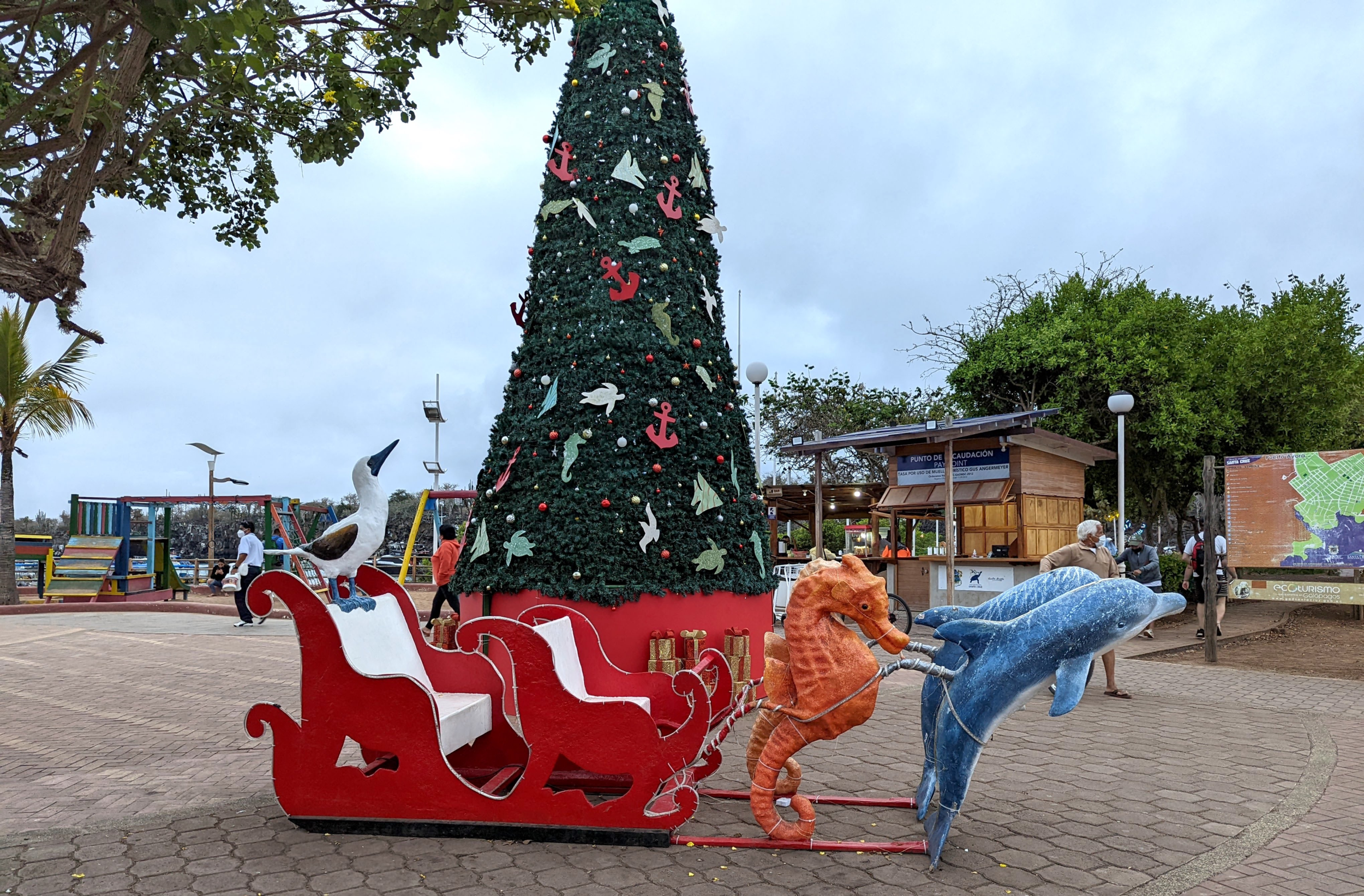
The Galápagos doesn't follow the same high season calendar as many destinations, but certain times of year bring significantly more visitors, such as:
Christmas and New Year’s (late December–early January)
Easter Week (Semana Santa)
Northern Hemisphere summer: June–August
During these periods, tours, cruises, and accommodations fill up quickly and prices often increase. If you're traveling during these times, it's best to book well in advance.
If you prefer a quieter experience with fewer people, consider the low or shoulder seasons:
Late April to early June
September and October
You’ll still experience amazing wildlife and stunning landscapes, while enjoying more peaceful visitor sites and greater availability for tours and accommodations.
Let Us Help You Plan the Perfect Trip
The best time to visit the Galápagos Islands depends a lot on your personal preferences and interests. The islands offer something unforgettable every month of the year — and the animals don’t follow a tourist calendar. Whether you're visiting during the warm season with calm seas or the cooler season packed with marine life, you’ll witness nature at its wildest and most wonderful.
Ready to go? Our bilingual team is based in the Galápagos, and we specialize in locally guided, custom travel planning. Want to snorkel with penguins in September or see green sea turtle hatchlings in March? Just tell us what you’re dreaming of — we’ll take care of the rest.
Contact us today to start planning your Galápagos adventure.