Rules and Regulations of the Galápagos National Park
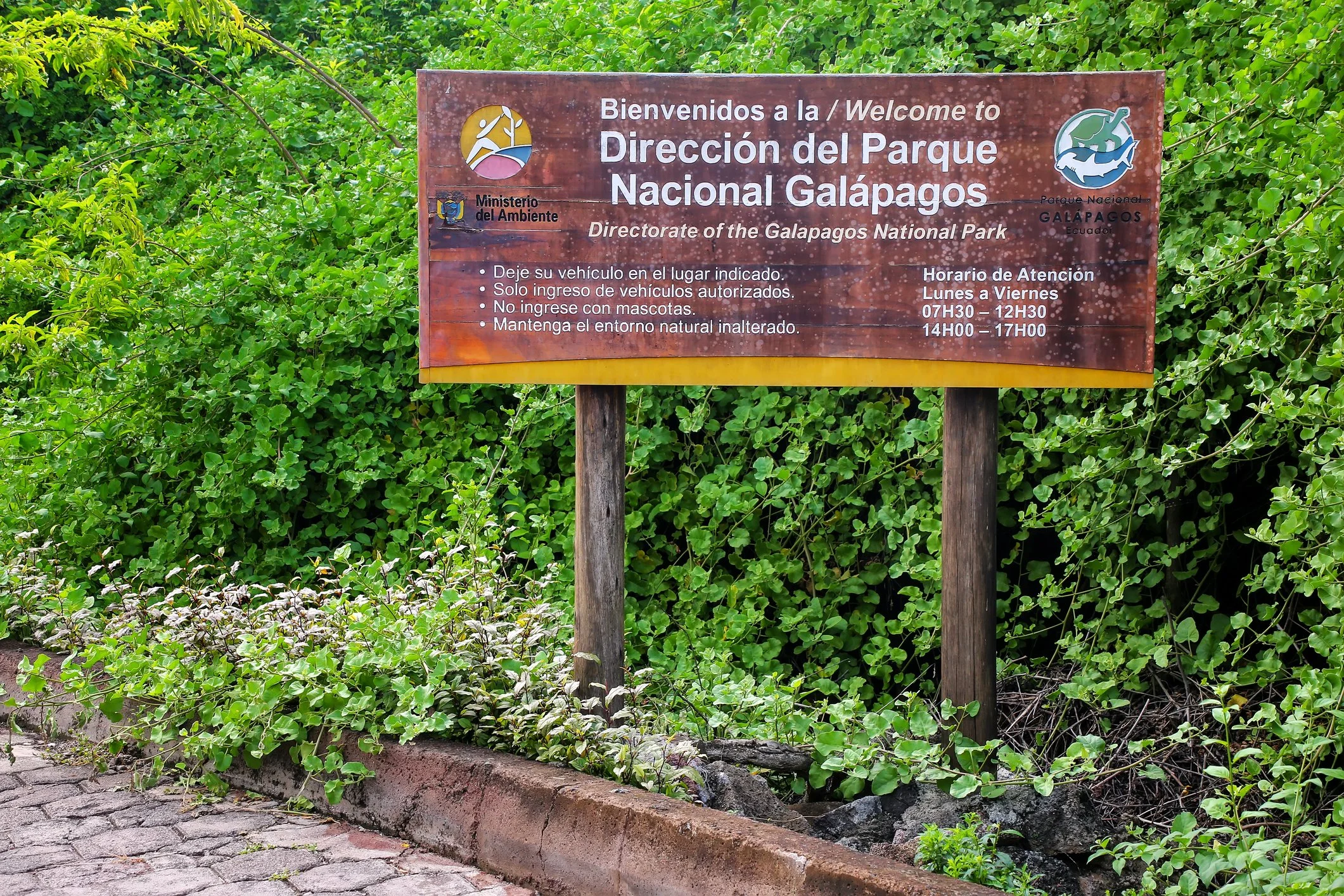
The Galápagos Islands are one of the most extraordinary places on Earth, home to unique wildlife and fragile ecosystems found nowhere else. To preserve this natural wonder, the Galápagos National Park enforces strict rules and regulations that all visitors must follow. Understanding and respecting these guidelines not only ensures your safety but also protects the islands for future generations.
The introduction of non-native species, human interference, and unchecked tourism can have devastating effects on this environment. The National Park’s rules aim to minimize human impact and help conserve the biodiversity of the islands.
In this post, we’ll cover the most important rules and regulations you need to know before visiting the Galápagos.
Key Park Rules and Regulations
Violating any of the Galápagos National Park regulations can lead to fines, confiscation of prohibited items, expulsion from the islands, and in severe cases, legal prosecution.
1. Visit Protected Areas Only With an Authorized Guide
Visitors to any protected areas within the Galápagos National Park must be accompanied by a naturalist guide authorized by the Galápagos National Park Directorate (GNPD). Independent visits without an authorized guide are not allowed.
2. Travel Only with Authorized Tour Operators and Boats
All tours, boats, and transportation must be authorized by the GNPD to operate in the protected areas. This ensures that operators follow environmental and safety regulations.
3. Stay on Marked Trails and Respect Signs
Always remain on designated trails at visitor sites. Signs and pathways are designed to protect wildlife habitats and ensure visitor safety. Avoid venturing off-trail.
4. Maintain Distance from Wildlife
Maintain at least six feet (two meters) distance from all wildlife, even if animals approach you. Avoid disturbing or harassing them to keep them wild and healthy.
5. Never Feed the Wildlife
Feeding animals can cause serious health problems and behavioral changes that threaten their survival. Never feed the wildlife in Galápagos, including food that’s a natural part of their diet.
6. Follow Photography Rules
Flash photography is not permitted when taking photos of wildlife, as it can disturb animals. Professional photography or videography for commercial purposes requires authorization from the GNPD.
7. Adhere to Camping Restrictions
Camping is only allowed in a few authorized areas. You must request permission from the Galápagos National Park’s offices at least 48 hours in advance to camp legally.
8. Cooperate with Biosecurity and Quarantine Efforts
It is your responsibility not to introduce food, animals, plants, or other materials into the archipelago. Cooperate fully with all environmental inspections and quarantine officials during your visit to help prevent invasive species from entering.
9. Do Not Remove Anything from the Islands
Removing plants, animals, rocks, shells, coral, wood, or any natural or cultural artifacts is strictly prohibited. This rule helps preserve the islands’ unique environment and scientific value. Do not take or buy any products or souvenirs made from these materials.
10. Leave No Trace
Practice strict “leave-no-trace” principles: pack out all trash and dispose of or recycle it only in populated areas or on your authorized tour boat. Help maintain the islands’ natural beauty.
11. Do Not Smoke or Make Fires Within the Park
Smoking and campfires are strictly prohibited within the park due to the serious risk of wildfires threatening the fragile flora and fauna.
12. Follow Rules for Fishing and Motorized Water Activities
Fishing is only allowed on recreational tour boats authorized by the GNPD. Motorized aquatic sports, mini-submarines, and aerial tourism activities are not permitted within the Galápagos National Park or Marine Reserve.
Galápagos Entrance Requirements
Before you can begin exploring the Galápagos, there are a few important steps all travelers must complete. These mandatory procedures help protect the fragile ecosystem and ensure sustainable tourism across the islands.
Transit Control Card (TCT): A $20 USD card that helps monitor visitor numbers. You must purchase it before traveling to Galápagos.
Galapágos National Park Entrance Fee: $100 USD for Ecuadorian residents, $200 USD for international visitors, paid in cash upon arrival.
“Sworn Declaration of Goods” form: You must submit your “Sworn Declaration of Goods” form to ensure you’re not bringing restricted or prohibited items into the islands.
Biosecurity Screening: Your luggage will be inspected to prevent invasive species from entering the islands.
How You Can Help Protect the Galápagos
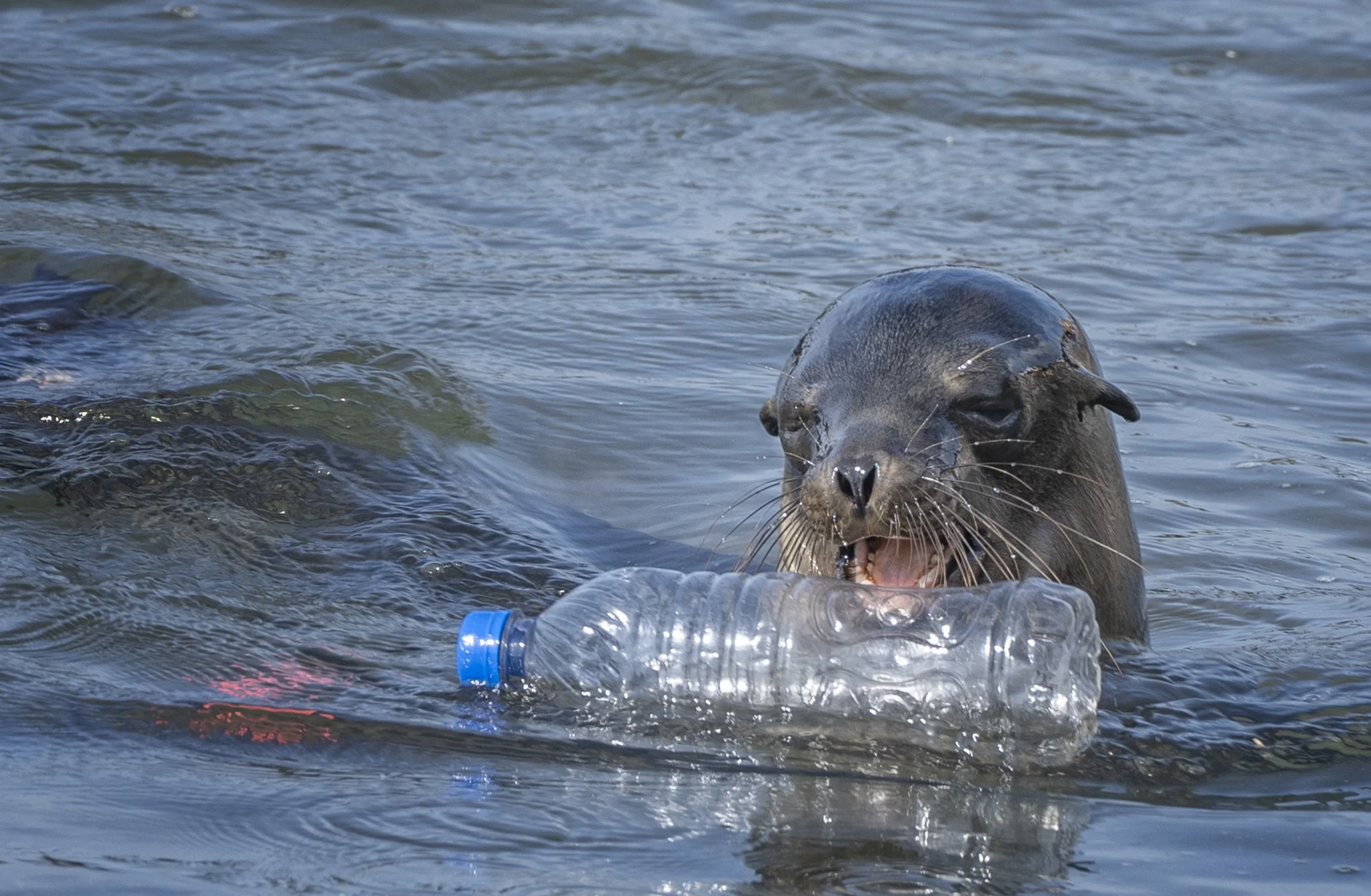
Protecting the Galápagos is a shared responsibility. Here are a few simple ways you can help preserve these extraordinary islands during your visit:
Follow all park rules and your guide’s instructions carefully.
Use reusable water bottles, bags, and minimize single-use plastics.
Support conservation efforts and choose responsible tour operators. You can learn more about ongoing conservation efforts from organizations such as Galápagos Conservancy and the Charles Darwin Foundation.
Visiting the Galápagos Islands is a privilege that comes with great responsibility. By respecting these rules and regulations, you help protect a unique ecosystem that has fascinated scientists and travelers for centuries. Plan your visit with care, act responsibly, and enjoy your adventure in one of the world’s most remarkable natural treasures.